In the age of digital transformation and Industry 4.0, companies across the globe are seeking smarter ways to manage their supply chains. Storage automation is one of the most impactful advancements in warehouse and factory operations. By integrating automated systems for storing, retrieving, and organizing inventory, businesses can improve efficiency, reduce errors, and enhance overall productivity.
Whether you run a small warehouse or a large-scale factory, adopting storage automation can drastically change the way you manage materials and goods. In this blog, we’ll explore the top 5 benefits of storage automation, along with real-world examples and future trends.
What is Storage Automation?
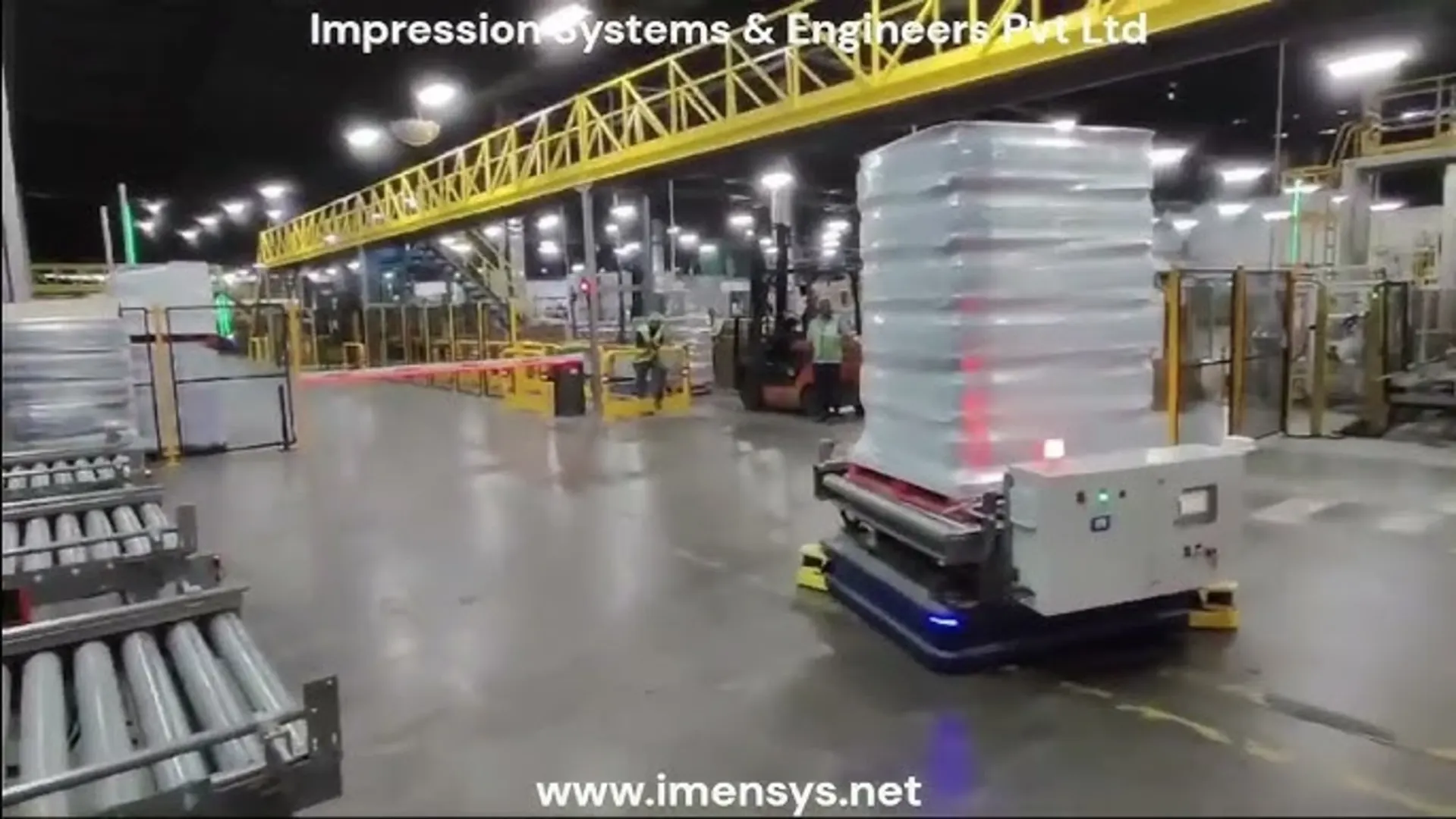
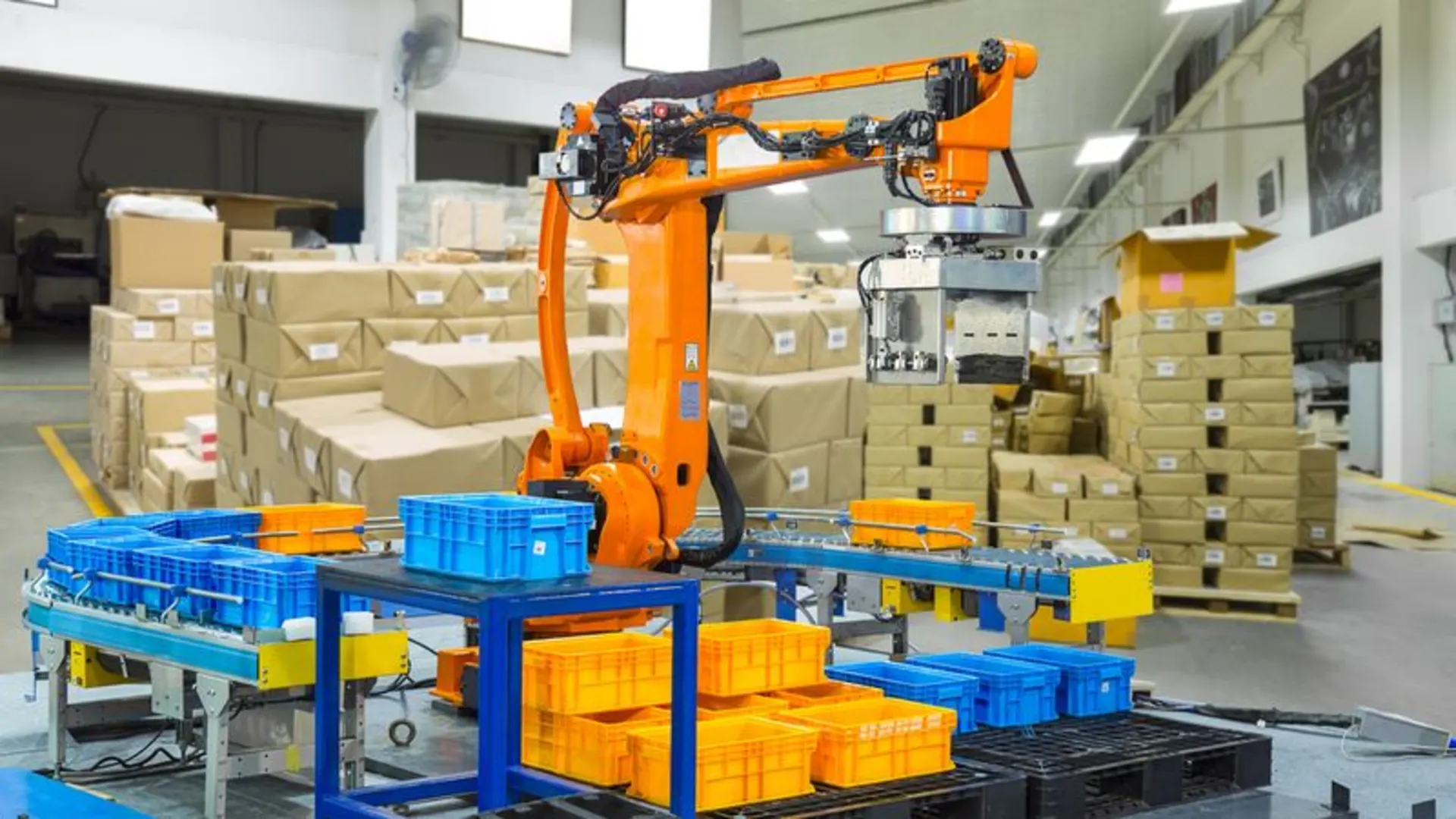
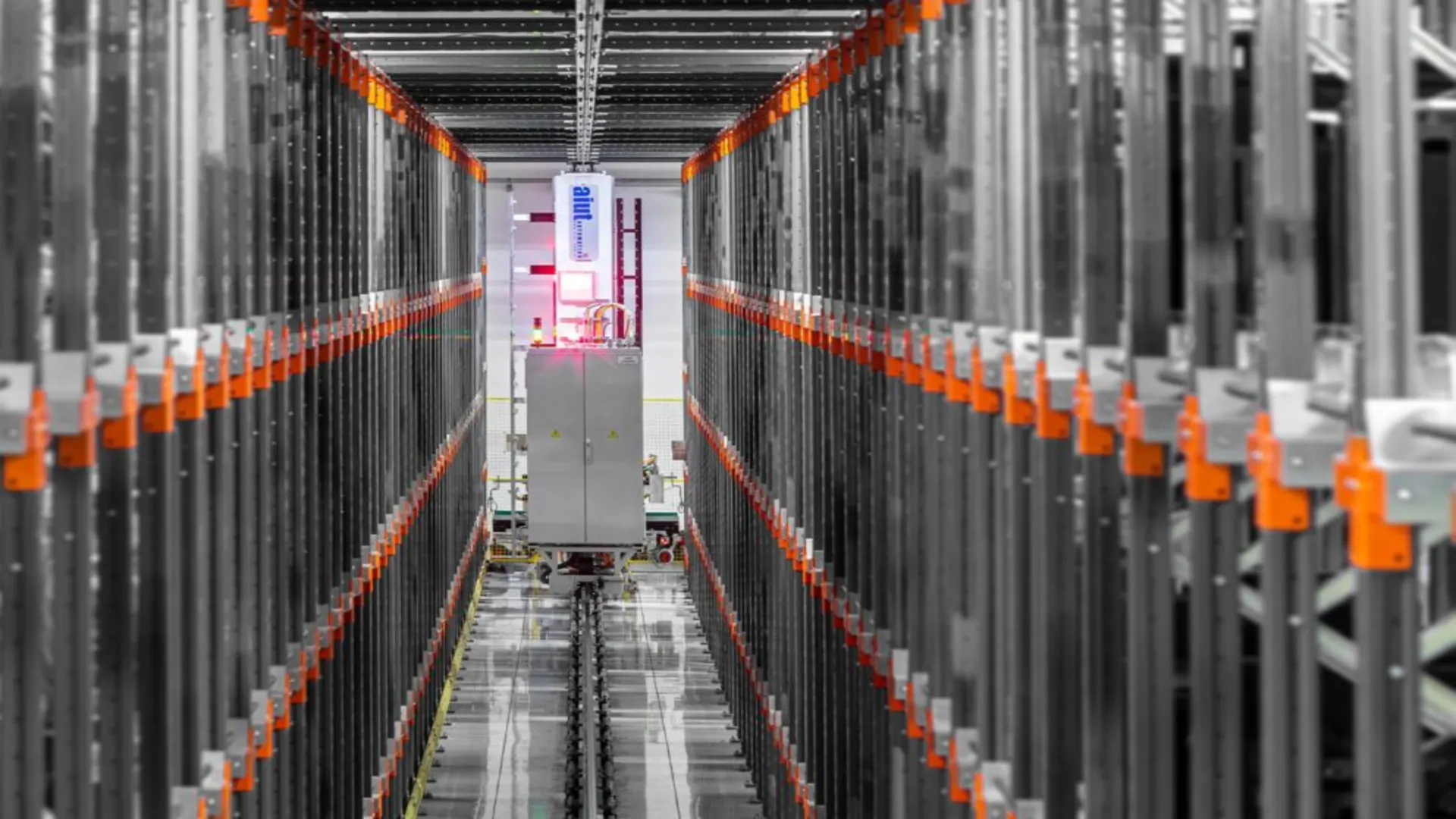
Storage automation refers to the use of technology, such as automated storage and retrieval systems (AS/RS), robotics, and software solutions, to handle the movement and management of goods within a warehouse or factory. These systems can automatically store, organize, and retrieve products with minimal human intervention.
Popular storage automation technologies include:
- Automated Storage and Retrieval Systems (AS/RS)
- Vertical Lift Modules (VLMs)
- Carousel storage systems
- Robotic picking systems
- Integrated Warehouse Management Systems (WMS)
Benefit #1: Maximized Space Utilization
One of the biggest challenges in warehousing and factory logistics is optimizing space. Traditional racking systems can only go so high or be configured in limited ways. Storage automation, especially AS/RS and vertical lift modules, make full use of available vertical and horizontal space.
How It Helps:
- Reduces the need for expanding physical space
- Utilizes high ceilings with vertical storage solutions
- Consolidates inventory in tighter, more efficient spaces
Real-World Example:
A large automotive parts manufacturer in Pune implemented vertical lift modules and recovered over 60% of their previously wasted warehouse space.
Benefit #2: Improved Inventory Accuracy and Control
Manual inventory management often leads to human errors, miscounts, and misplacements. With storage automation, the chance of error is greatly reduced.
How It Helps:
- Real-time tracking of inventory levels
- Automatic updates to inventory systems
- Reduces inventory discrepancies and out-of-stock issues
Real-World Example:
A pharmaceutical warehouse using AS/RS integrated with a WMS improved their inventory accuracy from 85% to 99.8%.
Benefit #3: Enhanced Operational Efficiency
Storage automation speeds up order picking, storage, and retrieval tasks. Automated systems can work round-the-clock and don’t require breaks or shift changes.
How It Helps:
- Faster order processing
- Shorter cycle times
- Improved throughput and workflow efficiency
Real-World Example:
A logistics company reported a 40% increase in order fulfillment speed after implementing carousel storage systems and robotic picking.
Benefit #4: Reduced Labor Costs and Dependence
Labor shortages, high turnover, and rising wages are common challenges for warehouse and factory operators. Storage automation helps reduce reliance on manual labor for routine tasks.
How It Helps:
- Fewer staff required for repetitive storage tasks
- Frees up skilled workers for value-added activities
- Lowers recruitment and training costs
Real-World Example:
An electronics warehouse replaced 30% of their manual storage processes with automation and saved over ₹25 lakhs annually in labor costs.
Benefit #5: Enhanced Safety and Ergonomics
Manual handling of heavy items and repetitive movements can lead to workplace injuries and fatigue. Automated systems improve workplace safety and employee well-being.
How It Helps:
- Reduces the need for ladders, lifts, and manual pallet movement
- Minimizes the risk of falls and strain injuries
- Creates a cleaner, more organized workspace
Real-World Example:
A food and beverage distribution center reported a 70% drop in safety incidents after transitioning to an automated storage and retrieval system.
Additional Benefits Worth Mentioning
While the top five are the most significant, here are some additional perks of investing in storage automation:
- Energy Efficiency: Smart systems optimize power use and reduce energy waste.
- Data Insights: Analytics and reports from WMS help in better decision-making.
- Scalability: Easy to upgrade or expand with business growth.
Industry Applications of Storage Automation
1. E-commerce Fulfillment
Speed and accuracy are critical in e-commerce. Automated systems improve pick-pack-ship operations dramatically.
2. Manufacturing
Factories use automation to organize raw materials, manage WIP (work-in-progress), and handle finished goods efficiently.
3. Pharmaceuticals and Healthcare
Trackability, precision, and safety are ensured through advanced storage automation tools.
4. Food and Beverage
Perishable inventory is better managed with automated temperature-controlled storage systems.
Challenges in Implementing Storage Automation
While storage automation offers immense benefits, it comes with its own set of challenges:
- High Initial Cost: Though the long-term ROI is high, upfront investment can be a hurdle.
- Complex Integration: Needs to work seamlessly with existing ERP/WMS systems.
- Change Management: Employees must be trained and workflows redesigned.
Companies must work with experienced automation providers like Imensys to navigate these challenges successfully.
Why Choose Imensys for Storage Automation?
Impression Systems & Engineers Pvt Ltd (Imensys) is a pioneer in industrial automation, specializing in storage and material handling solutions. With over two decades of expertise and a global footprint, Imensys offers:
- Custom-built automation systems
- End-to-end integration support
- Domain knowledge across multiple industries
- On-site support and post-installation service
Their tailored approach ensures that every automation solution is aligned with client-specific operational needs and growth plans.
The Future of Storage Automation
As AI, IoT, and machine learning evolve, the next generation of storage automation will be more intelligent, predictive, and self-optimizing. Key trends to watch include:
- AI-based Picking Systems
- Predictive Maintenance via IoT Sensors
- Cloud-Based Inventory Management
- Collaborative Robots (Cobots)
Businesses adopting these innovations will stay ahead of the competition and be well-prepared for future demands.
The End
Storage automation is no longer a luxury—it’s a necessity for warehouses and factories aiming to stay competitive. From maximizing space and reducing labor costs to enhancing accuracy and safety, the benefits are transformative. Companies like Imensys are helping businesses embrace this transformation by providing cutting-edge, reliable, and scalable automation solutions.
Whether you operate a small warehouse or a multinational manufacturing unit, the time to invest in storage automation is now. Partner with a trusted automation expert to unlock the full potential of your operations.
Ready to revolutionize your warehouse or factory? Get in touch with Imensys today for a personalized consultation and discover the power of automation tailored to your needs.